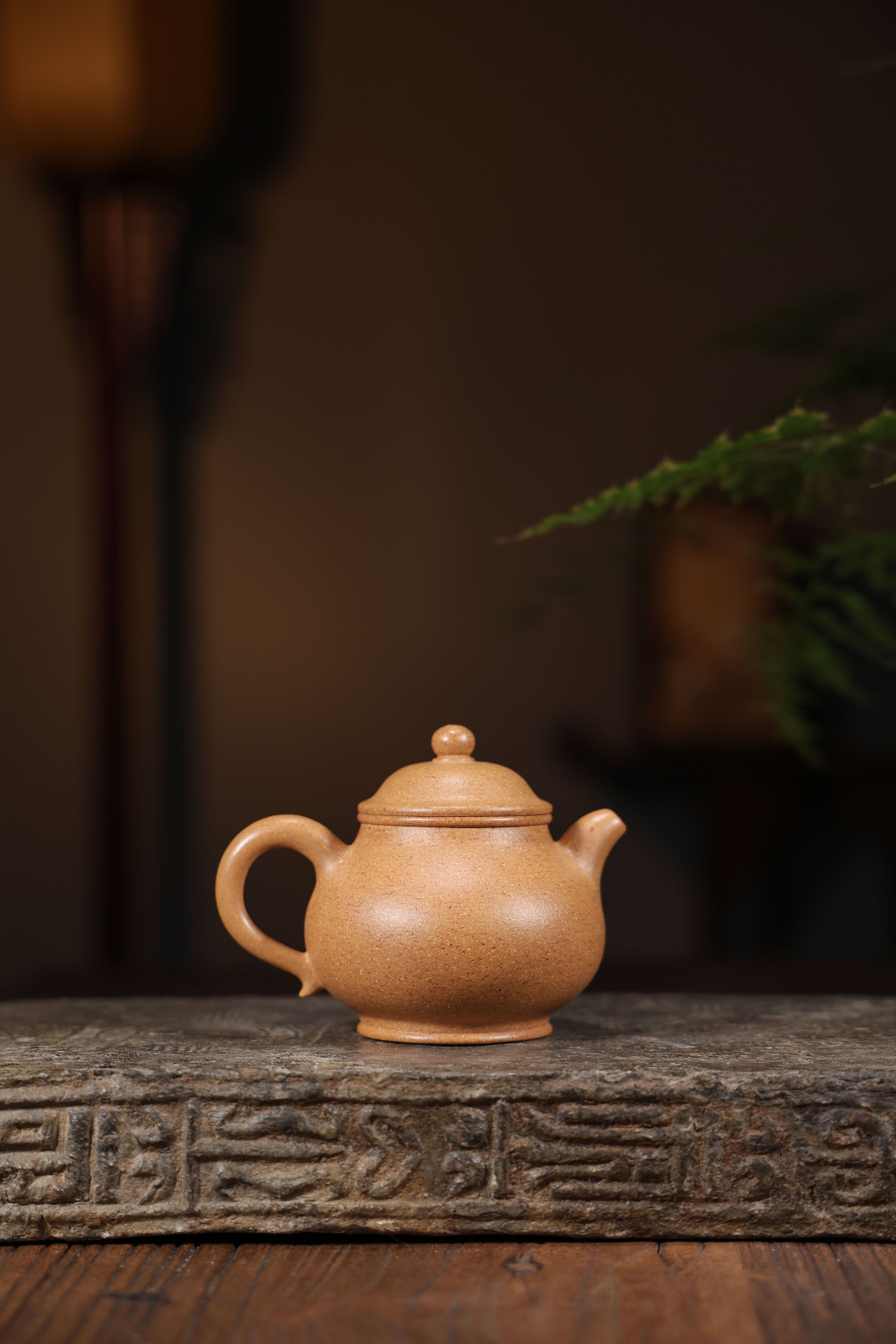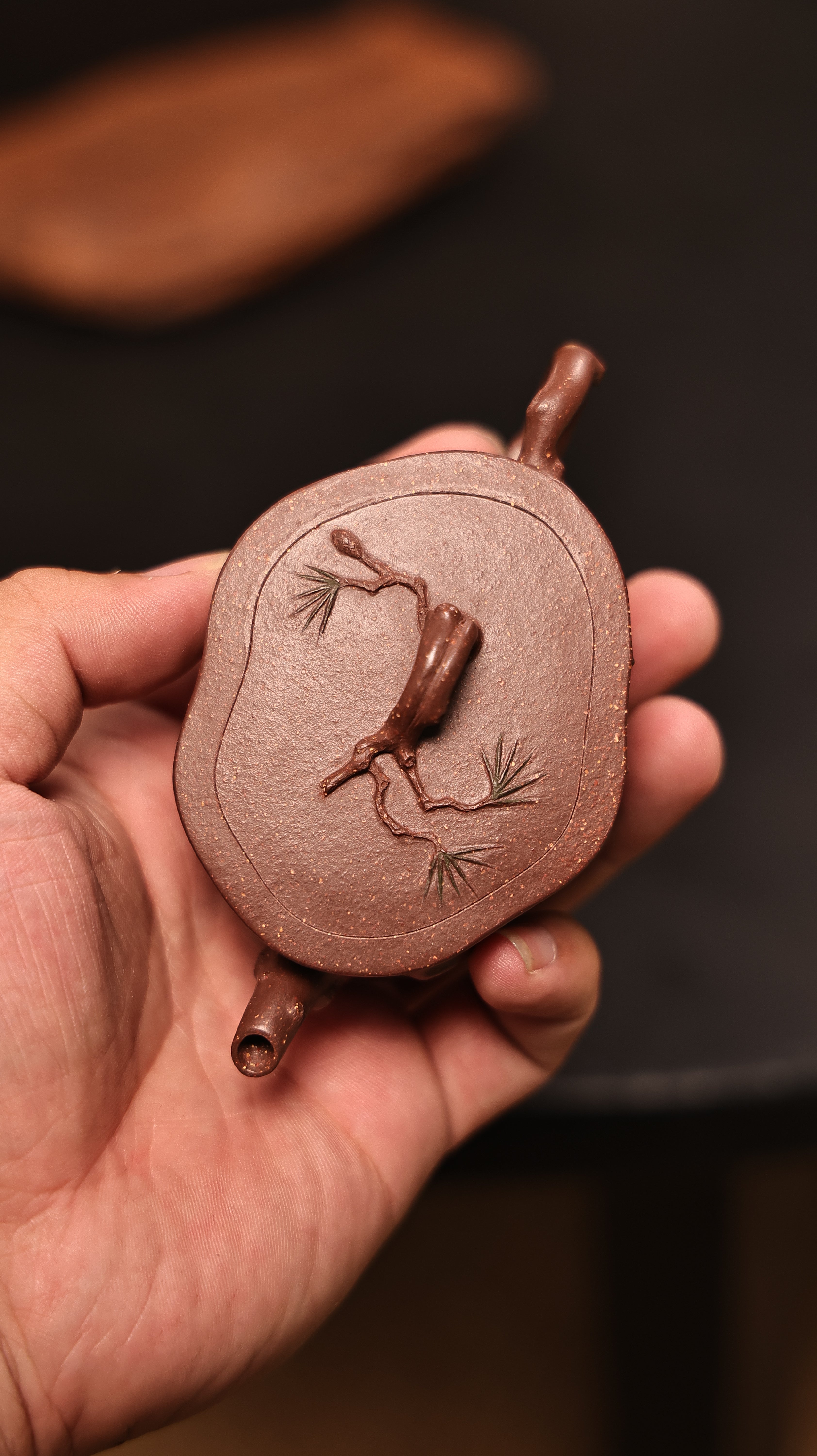
Opening this extensive survey regarding Yi-hsing Tzu-sa teapots offers a fascinating mixture between skill together with usefulness.
Ising Tz'u Sha brewing containers carry unique unequaled attraction within enthusiasts internationally. The extraordinary ceramic pots, sourced from the distinct Yihsing locale around Jiangsu area, China, represent more than just teaware; they are acknowledged as works decorative beauty and ancestral significance. That finely refined clay, known as Zisha, imparts a soft flavor onto the tea, and the detailed designs, often embodying traditional Chinese artistry, increase their fundamental value. Collecting a genuine Yixing Zisha teapot provides a pleasing journey, involving careful study and an awareness of the multiple factors influencing their specialness.
Investigating Yixing Vessels
Yihsing earthenware pots boast a storied record deeply interwoven with Chinese customs. Originating in Yixing, Jiangsu region, these jugs are crafted from a unique, porous purple material found only in that notable location. Their origins began during the Ming era, with master sculptors refining the processes over periods. Distinct types exist, including the classic Hexiang (resembling crab shells), Zhuni (red-brown hue), and Duan Ni (stone-studded) – each with distinctive properties. The worth of an Yixing earthenware pot isn't solely based on its size or embellishment, but also on the craftsperson’s reputation, the terracotta's quality, Purple Clay Teapot and the pot’s age and condition. Devotees often seek out older examples, believing they impart the character of the beverage brewed within them over time, further adding to their eminence.- Hexiang Earthen Pots
- Zhuni Earthen Pots
- Duan Ni Earthen Pots
Zisha Teapot Mastery: Craftsmanship & Procedures
Exclusive production of Zisha teapots represents a climax of Chinese ceramic art. Expert artisans employ classic techniques, often passed down through families, to unlock the full essence of this unique clay. Strategies involve meticulous forming by hand, often combined with the wrapping method, followed by precise kilning at incredibly elevated temperatures in wood-fired kilns. Beautifying is equally crucial; producers utilize intrinsic clay colors and may incorporate etching work to depict intricate scenes or patterns, demonstrating a profound awareness of the material’s aspects and energy. The completed teapot isn't merely a vessel for tea, but a testament to a lasting cultural legacy.
Eastern Pottery: One Synopsis to Yihsing 紫砂
Unveiling the world of Traditional teapots often starts with Yixing Zisha. These exceptional clay earthenware are formed from a specific type of clay located only in the Yixing region of the Jiangsu area province. Distinguished for its typical reddish-purple hue and outstanding characteristics, Zisha clay offers a soft flavor to the elixir and advances with age, becoming a cherished treasure. Possessing Yixing Zisha containers is more than just controlling a handsome object; it’s a dedication of practice and talent.
Surveying Yixing Zisha: Genuine Nature & Value
Entering the market of Yixing Zisha artifacts can be incredibly fulfilling, but necessitates a thorough knowledge. Veracity is essential; several replicas are present, often deceptively forged. Educating yourself about traditional tempering approaches, special material attributes, and the labels of respected makers is absolutely imperative. What’s more, knowing the fine points of the market direction – influenced by determinants such as classical consequence and the quality of the item – is paramount to beneficial buying.
- Examining kiln trajectory.
- Requesting authorities for authentication.
- Estimating commerce fluctuations.
Unique Technique of Making with a Stoneware Container
Such unique allure of a Zisha tool lies not just in its lovely appearance, but also in its profound impact on the character of the brew. These ancient clay ceramic pots, sourced from certain regions of China, possess a basic porosity that quietly interacts with the water and leaves, imbuing the libation with a refined character. Mastering the art requires a careful approach, understanding how the clay responds to varied heat levels and floral types, ultimately leading to a authentically rewarding imbibing process.
Sustaining One's Relic
Proper attention of your Yixing ceramic vessel is important to continuing its durability. These distinctive teapots, crafted from unique Yixing clay, exhibit a history over ages that improves their significance. Regularly rinse the inside surface with gentle water, avoiding cleaning agents, and never use intense scrubbing tools. Some gentle buffing with a soft cloth can support in eradicating marks. Allow your kettle to properly dry once each infusion
Decoding Purple: Aspects Given Vessels Signify Outstanding
The celebrated appeal of Yixing teapots arises from the singular properties of Yixing clay, discovered solely near Yixing, Jiangsu. This remarkable clay, composed of ferruginous soil , boasts a peculiar combination of components that, through experience, incorporate the note of the drinks it handles. This results in a individual aroma for each earthen vessel, delivering it a estimation far beyond its starting price and adding to their valued status among gatherers.
Unearthing the Fitting Regional Teapot: A Yixing Clay Introduction
Venturing into the world of Zisha clay teapots can feel complex, but understanding the principles is crucial to identifying a cherished piece. This variety of clay, sourced predominantly from Yixing, the province of Jiangsu, is famous for its distinctive texture and ability to enhance the taste of the infusion over years. Consider the shape, the color, and the overall aesthetic; a valid Zisha teapot is more than just a canister; it's a finely crafted object and a illustration of classic culture. Search for the stamp of the craftswoman for clues to its background and potential importance.