Initiating at in-depth study of intelligent apparatuses built dedicated to edge cleaning represent innovated manufacturing methods, delivering notable improvements through speed and standard. This guide studies the broad types of tools, made up of media abrading devices, circular devices, and state-of-the-art numerical applications. We will present the gains of using such devices, featuring minimized workforce expenses, higher assembly regularity, and improved workshop performance.
Rim Rounding Apparatuses: Consistent Finishing Clarified
Perimeter polishing systems offer a refined solution for delivering precise refining on products. Beyond manual methods, these robotic apparatuses furnish dependable results and considerably raise operation competence. Such mechanisms often use diverse wearing mechanisms like twisting tips, polishing drums, or unique forms to clear sharp tips and spurs. The function is fundamental in a ample set of markets, encompassing flight and instrumentation.- Advance coating caliber
- Lessen workshop spending
- Amplify turnover and operation
Dross Elimination Machines: Gaining Untainted, Top-Notch Coatings
Contemporary steelmaking procedures reliably yield significant amounts of dross, a byproduct that, if overlooked, can severely reduce the standard of the material. Fortunately, advanced scraping systems offer a reliable solution. These focused machines, employing techniques like polishing, are designed to carefully eliminate this unwanted material, ensuring a clean and exceptional surface. The resulting gains include lower rejection rates, upgraded aesthetic appeal, and an overall rise in output. By utilizing breakthrough slag removal technology, manufacturers can consistently deliver first-class surfaces and satisfy stringent guidelines.
Sheet Metal Polishing: The Benefits of Deburring Devices
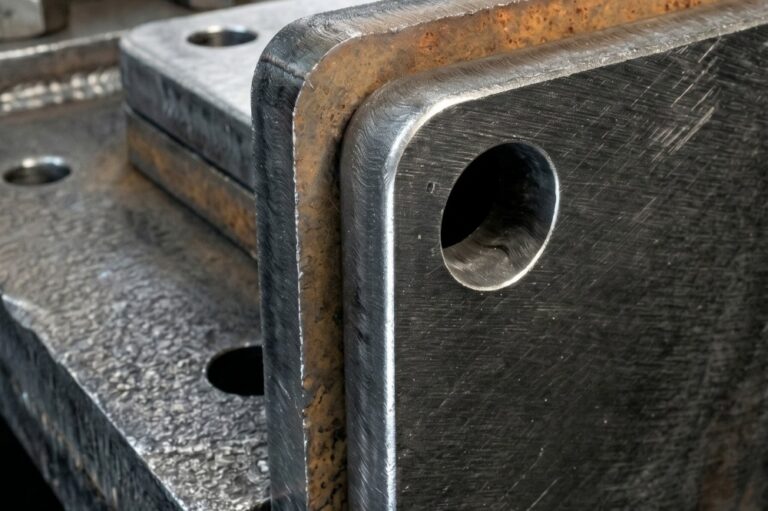
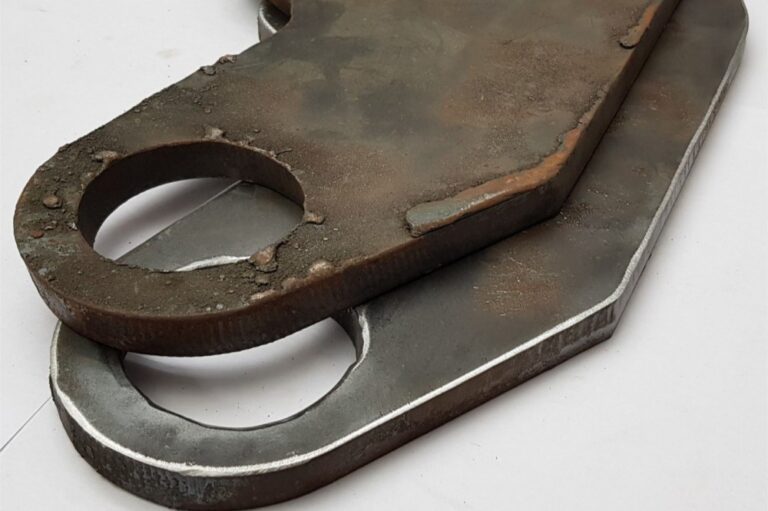
Achieving a excellent surface on sheet metal segments is vital for reliability, and deburring devices offer notable benefits over conventional methods. Removing burrs timely not only increases the cosmetic quality of the component, but also obviates likely complications during processing and utilization. In addition, digital deburring techniques strengthen production velocities and minimize staff disbursements.
Maximizing Sheet Metal Production with Automatic Deburring
With the goal to boost effectiveness in sheet metal creation, adopt digital deburring systems. Conventional deburring is ordinarily labor-intensive and vulnerable to deviations. Switching to computerized deburring supplies significant gains, containing cut human resources spending, improved component precision, and raised industrial efficiency. This acquisitions have the potential to immediately pay off.Choosing the Best Deburring Tool for Your Endeavor
Determining the most suitable deburring device for your distinct needs necessitates a precise assessment of several features. Initially, assess the category of medium you're managing – titanium requires specific techniques than thermoplastic. Moving forward, consider the dimensions and shape of the components needing surface cleaning. At last, contemplate your fabrication quantity; a heavy-duty operation calls for a separate type of equipment than a limited one. Overlooking to take into consideration these factors could produce unsatisfactory results and escalated investment.
Deburring Machine Method: Evolutions and Enhancements
Latest edge trimming device technique is witnessing rapid change, driven by the challenges for greater fineness and competence in fabrication operations. Central progressions consist of the incorporation of automated systems for variable edge finishing processes, alongside progress in lapping system. We're additionally observing a acceleration in easily carried surface smoothing machines built for particular uses, and advanced tactics like ultrasonic polishing are drawing attention. The forecast shows towards enhanced coupling of surface refining machines within the automated facility locale.
Upgrading Metal Segment Performance with Profile Shaping
Many constructing processes for iron parts introduce sharp edges, which can bring about stress spots and vulnerabilities that damage overall quality. Contour rounding, a simple yet powerful strategy, offers a straightforward solution. It involves slightly chamfering the sharp edges of a unit during the creation stage. This lowers stress accumulations, increases longevity performance, and can minimize damaging. Benefits are further amplified when dealing with elaborate configurations or parts subjected to significant tension. Considerations include the appropriate blend of the softened edge and its effect on fitting with other sections.
- Minimizes Stress Spots
- Raises Wear Strength
- Obviates Chipping
Impurity Separation vs. Edge : Grasping the Contrasts
Albeit many machinists use the expressions “slag separation” and “deburring” identically, they signify distinct operations Brushing Solutions in metal assembly routines. Deburring focuses on cleaning the sharp, often tiny, outgrowths created during milling operations—these are excess material of stock left on the element. Waste excision, conversely, addresses these byproduct – typically a combination of impurities – that occurs during processes like smelting. Essentially, deburring deals with subsidiary flanges, while slag removal deals with the byproduct of a other procedure. To conclude, mechanized deburring and slag removal systems are necessary components of modern metal assembly that maintain exceptional finished products with limited defects and optimized efficiency.Completing our discussion emphasizes the paramount role of state-of-the-art automated deburring technologies in influencing production criteria and enabling businesses attain improved productivity and excellence.