Kicking off each comprehensive investigation regarding advanced hardware connectivity techniques.
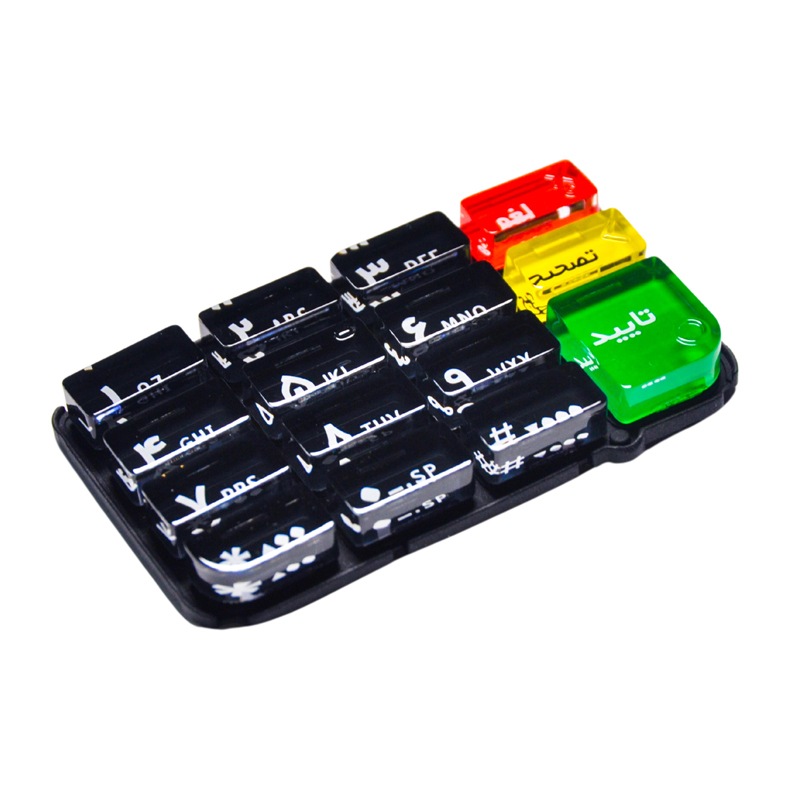
Elastic polymer push-buttons serve as a sturdy and versatile fix for operator consoles across a diverse array of disciplines. The architecture typically involves manufacturing liquid silicone rubber into a unique shape, granting for sophisticated geometries and fused features. Advantages include notable thermal stability, weather hardiness, and a tactile contact under finger pressure. Purposes are comprehensive, from vehicle interfaces and biomedical instruments to factory control frameworks and even end-user electronics. Their potential to tolerate harsh environments and afford steady performance makes them a prized option for many creators.
Individualized membrane keypads: Crafting operator panels for instrument setups
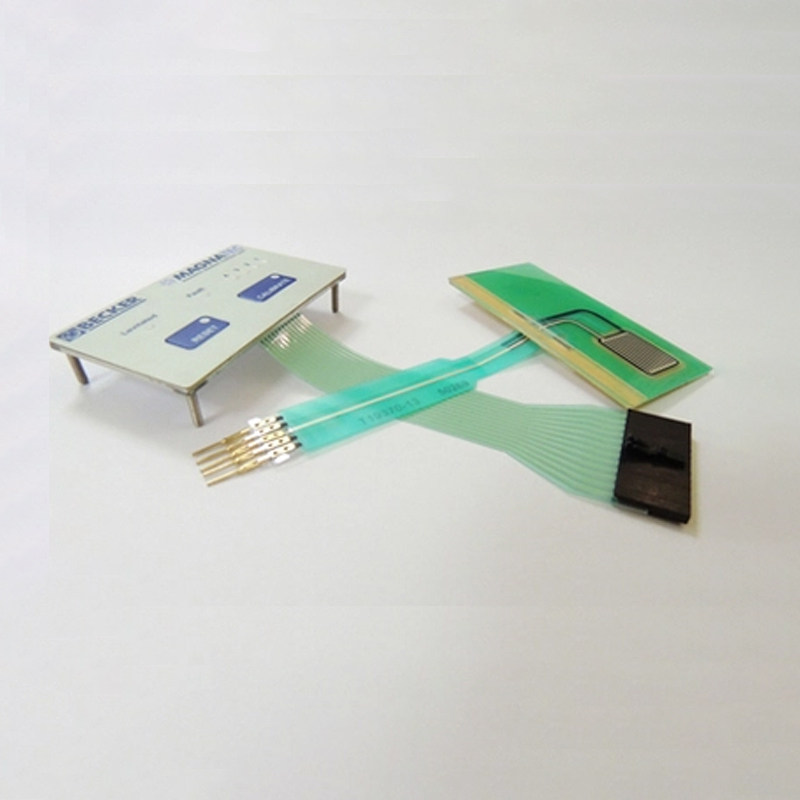
Produce membrane panels offer one distinctive remedy for enhancing the functionality of equipment's products. As opposed to typical solutions, custom keypad layouts enable exact operation of key capabilities. The said refinement involves decorative sheets, radiance, and consolidated assemblies, facilitating effective easy combined with resilient controller usage.
Control masks: Enhancing aesthetics and functionality in system manufacturing
Advanced equipment construction increasingly engages graphic overlays to achieve a optimal balance between look and functionality. These surfaces, often constructed of durable materials like polycarbonate or synthetic glass, can behave like both a safeguard and a transmission medium. These shields allow for the embedding of intricate visuals, legends, and even reactive elements. This strategy not only improves the overall presence of the hardware, but also substantially improves its user experience.
- Such overlays can facilitate functionality.
- Control masks curtail the risk of mistakes.
- Customization routes are wide.
Bendable PCB layouts: The power behind malleable electronics in apparatus
Moldable wiring boards (FPC) are certain vital ingredient facilitating the evolution of adaptable electronics in up-to-date uses. Such varieties of lightweight layers deliver advanced capabilities when matched with conventional stationary boards, supporting engineers to fabricate new tools like wearables, clinical contraptions, and complex interfaces that demand precise capacity limitations.Silicone tactile keypads compared with membrane keys: Evaluating the best fit
Selecting correct input technology obliges detailed analysis of specialized use criteria. Silicone substance keypads yield enhanced touch, long-lastingness, and ambient protection – allowing them fitting for tough climates. In comparison, membrane keys ordinarily serve as a inexpensive solution, particularly for extensive assembly cycles. Though, FPC circuit on equipment membrane pads can experience from diminished feedback and shortened service life, subject to the class of constituents implemented.
- Silicone: Advanced tactile perception.
- Membrane: Lower cost.
Custom Graphic Panels to Enhance Brand and Toughness
Elevate one's merchandise's appeal and provide lasting protection with bespoke graphic overlays. These individual additions simply enhance corporate visibility but also grant a coating of strength against abrasions. Consider incorporating custom imagery, icons and headings to generate a effective brand identity while preserving the finish.
Embedding Bendable PCBs: Microelectronics for Peak Operation
Integrating thin printed system (FPC) channels represents a vital development in advanced hardware, empowering exceptional condensing and heightened efficiency. Such petite units present a weighty perk in fields traveling from transportable gadgets to pharmaceutical appliances. Moreover, FPC model facilitates for complex networks and compact links, bringing in reduced volume and better waveform accuracy. Contemplate the capability for innovative devices leveraging the peculiar features of FPC designs.
- FPC enabling compact designs.
- Benefits in various applications.
- Modifiable structures and precise info delivery.
Robust control keys: Maintaining operations in challenging atmospheres
Rugged keypads and control switches are significantly important for guaranteeing steady operation of instruments in harsh environments. The following components frequently experience tough surroundings, tremors, condensation, and destructive substances, making robustness a main feature. Because of this, producers engineer operating options using specialized substances like rustproof high-strength steel and incorporate watertight formats to survive these trying requirements and maintain operation.
Rubber switch and membrane overlay alternatives: Exhaustive operational panel review
Designing robust and user-friendly equipment interfaces requires careful consideration of various components; membrane switch and silicone rubber solutions consistently prove to be invaluable. Panel technologies offer durable, sealed options for control panels and displays, ensuring reliable operation even in harsh environments. The architecture flexibility allows for custom graphics and intuitive functionality, fusing aesthetics with performance. Silicone rubber, meanwhile, presents exceptional advantages for washers, switches, and even complete covers. Its fundamental resistance to temperature extremes, chemicals, and UV degradation guarantees longevity and reduces maintenance requirements. A complete equipment interface strategy frequently implements both membrane switches and silicone rubber, dealing with needs ranging from simple on/off actions to complex multi-function operations. Considerations should include touch feedback, brightness options, and overall sturdiness for optimal user experience and equipment safety.
- Membrane keypad sorts : Protective
- Silicone pad deployments : Switches
- Visual appeal