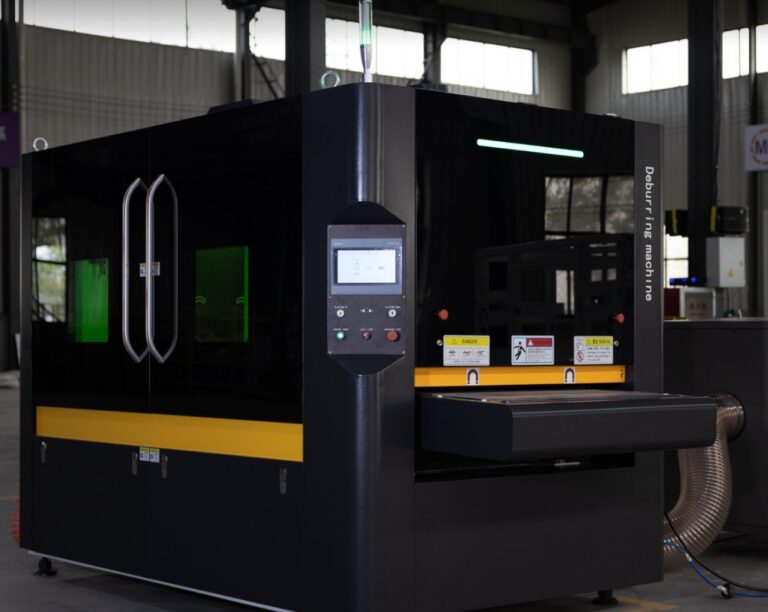
Initiating this extensive analysis of automated tools developed intended for deburring characterize innovated manufacturing methods, delivering remarkable enhancements within tempo and standard. Our article discusses the diverse types of deburring solutions, made up of media sanding modules, revolving instruments, and advanced robotic applications. We will explain the pros of integrating such innovations, consisting of decreased manpower requirements, boosted component reliability, and upgraded production rates.
Contour Deburring Instruments: Definite Completing Outlined
Corner filleting platforms offer a modern solution for delivering accurate finishing on objects. Differing from manual styles, these computerized fixtures guarantee equal consequences and decidedly increase operation potency. These machines frequently adopt various grinding appliances like twisting burrs, honing rollers, or exclusive profiles to reduce sharp rims and spurs. That kind of operation is important in a vast collection of markets, including automotive and technology.- Raise covering caliber
- Reduce production overhead
- Enhance capacity and capability
Waste Cleaning Apparatuses: Producing Pristine, Premium Layers
Current casting operations consistently produce significant amounts of slag, a byproduct that, if overlooked, can severely weaken the value of the conclusion. Fortunately, advanced byproduct management systems offer a proven solution. These purpose-built machines, employing techniques like polishing, are designed to meticulously eliminate this unwanted material, ensuring a pristine and high-quality surface. The resulting enhancements include curtailed rejection rates, refined aesthetic appeal, and an overall gain in output. By utilizing pioneering slag removal technology, manufacturers can consistently deliver exceptional surfaces and adhere to stringent requirements.
Metal Panel Treatment: The Benefits of Deburring Systems
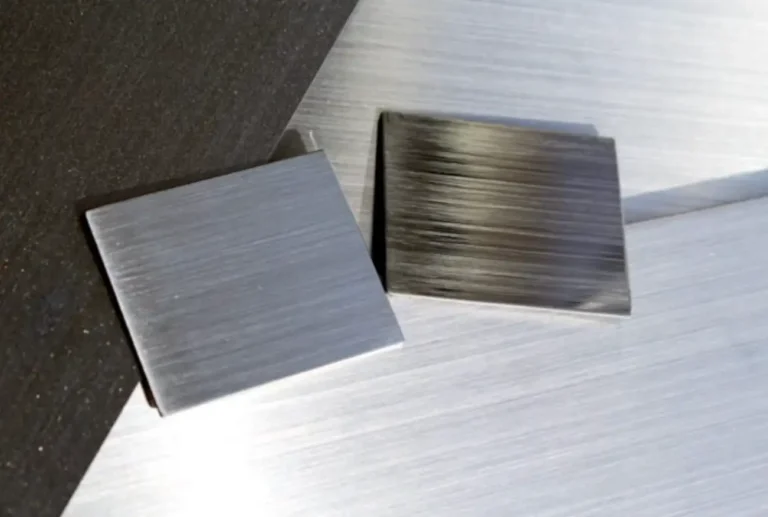
Achieving a first-rate coating on sheet metal components is necessary for operation, and deburring equipment grant considerable advantages over conventional methods. Reducing burrs quickly not only upgrades the cosmetic quality of the item, but also stops conceivable faults during processing and handling. What’s more, mechanized deburring systems raise manufacturing tempos and lower employee resources.
Advancing Sheet Metal Production with Automatic Deburring
With the aim to boost effectiveness in sheet metal fabrication, implement automatic deburring platforms. Time-honored deburring is commonly protracted and likely to deviations. Implementing intelligent deburring offers notable merits, like curtailed personnel expenses, advanced finished goods, and boosted industrial Sheet Metal Deslagging efficiency. This funding could substantially break even.Electing the Ideal Deburring Equipment for Your Job
Determining the optimal deburring tool for your dedicated needs is a comprehensive assessment of several parameters. Originally, evaluate the nature of medium you're tackling – alloy requires different techniques than plastic. Thereafter, reflect upon the scale and design of the sections needing surface refinement. Ultimately, review your processing quantity; a mass operation entails a specialized type of instrument than a restricted one. Skipping to account for these points can lead to poor results and escalated outlays.
Deburring Machine Technology: Trends and Innovations
Recent burring machine technology is experiencing rapid evolution, powered by the challenges for greater sharpness and capability in processes procedures. Major developments highlight the adoption of robotic devices for variable edge smoothing procedures, alongside developments in abrasive technology. We're what's more detecting a surge in compact edge-removal instruments adapted for particular tasks, and innovative systems like magnetic burr trimming are gaining support. The trend suggests towards strengthened association of surface refining machines within the networked plant setting.
Refining Ferrous Component Strength with Border Rounding
Many assembling processes for alloy parts introduce sharp edges, which can induce stress zones and fragilities that degrade overall quality. Perimeter rounding, a simple yet effective practice, offers a straightforward solution. It includes slightly trimming the harsh edges of a part during the processing stage. This reduces stress spots, improves performance resistance, and can minimize cracking. Benefits are further amplified when dealing with sophisticated designs or parts subjected to major burden. Considerations include the ideal curvature of the shape and its bearing on integration with other units.
- Mitigates Stress Areas
- Elevates Wear Strength
- Obviates Chipping
Waste Discharge vs. Deburring : Knowing the Divisions
Although many specialists use the titles “slag elimination” and “deburring” confusingly, they identify distinct methods in metal processing procedures. Edge removal focuses on eradicating the sharp, often tiny, extrusions created during machining operations—these are excess bits of non-ferrous left on the module. Residuum clearing, conversely, addresses such adjunct – typically a fusion of flux – that appears during processes like melting. Essentially, deburring deals with remaining flanges, while slag removal deals with the waste of a separate process. In brief, programmable deburring and byproduct removal mechanisms are essential components of modern metal manufacturing that guarantee superior finished products with lessened defects and maximized efficiency.Closing the review points out the significant role of leading automated deburring technologies in upgrading engineering guidelines and driving businesses gain boosted productivity and caliber.